Fiction Writing
Tips
In my more than
fifteen years in the Christian publishing industry—years
that included writing my six published novels and two co-written
nonfiction books, stints on staff with three publishing companies, and
years as an
acquisitions editor—I've
picked up a few things that may be of use to you.
Published and
unpublished novelists who have worked with me have heard me say these
things. Some with rejoicing, and others with wailing and gnashing of
teeth.! Apply them to your writing and, if you send me your manuscript
for review, you won't hear me say them to you. 0:-)
Note:
This Tips
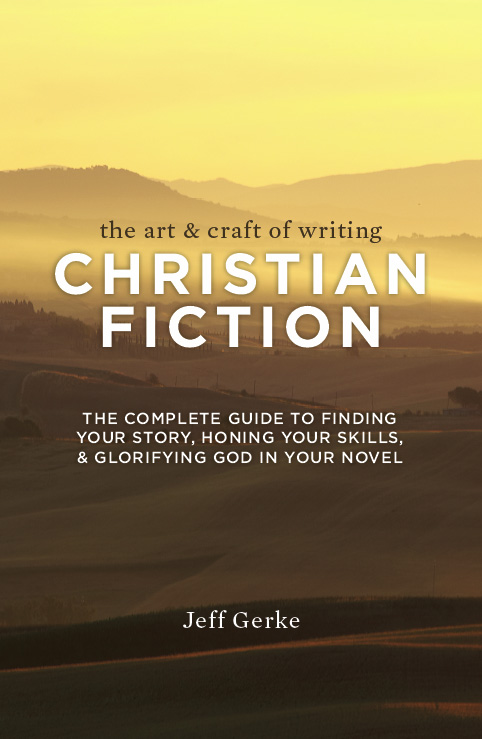
column has been compiled into a print book called The Art & Craft
of Writing Christian Fiction, which you can read about
here.
Tip
Index
I have
all the tips listed here with the links
to find them. There are up to ten tips per page.
- An (Accepting) Audience of One
- Proper Manuscript Formatting
- Your Hero's Inner Journey
- What Does Your Hero Want?
- Description, Part 1—Introduction
- Description, Part 2—The Establishing Shot
- Description, Part 3—The Full Sensory Sweep
- Description, Part 4—Comparisons
- Beware Monster Paragraphs
- Master Self-Editing for Fiction Writers
- Plant and Payoff—Part 1: Payoff without a Plant
- Plant and Payoff—Part 2: Plant without a Payoff
- The Invisible Novelist
- Speech Attributions
- How to Introduce Your Main Character
- Understanding Christian Fiction Publishing, Part 1—Who Is Your Reader?
- Understanding Christian Fiction Publishing, Part 2—What Genres Does the Market Want?
- Understanding Christian Fiction Publishing, Part 3—Exceptions, Strategies, and Hope
- Keep a Character's Dialogue and Actions in the Same Paragraph
- Planting a Ticking Time-Bomb in Your Novel
- The Dumb Puppet Trick
- Stick to One Name Per Character Per Scene
- Describe Actual Places
- Don't Skip Over It and Then Tell It in a Recap
- Attend a Christian Writer's Conference
- Formatting Dialogue
- Managing the Passage of Time Within a Scene
- Establish Your POV Right Away
- Show vs. Tell
- Point of View (POV)
- Beats
- Create Interesting Characters
- Avoid Mistakes in Your Presentation
- Avoid Mistakes with Your Synopsis
- Avoid Mistakes in Your Sample
Chapters, Part 1
- Avoid Mistakes in Your Sample
Chapters, Part 2
- The Politically Correct "They"
- Should You Write What You Want or What
the Market Wants?
- Avoid Fiction Clichés
- Use Circularity
- Stick with Said
- Intercut Between Multiple Storylines
- Stay with One Storyline for Awhile Before Cutting Away
- Create Interesting Characters (Who Don't All Sound Like You)
- Avoid Flashbacks
- The Secrets of Good Dialogue, Part 1
- The Secrets of Good Dialogue, Part 2
- The Secrets of Good Dialogue, Part 3
- The Secrets of Good Dialogue, Part 4
- Find Your Story
- Create a Likeable Protagonist
- Create Chapters of Appropriate Length
- Understand the Publishing Process
- Avoid Mixed Metaphors
- Manage Profanity, Part 1
- Manage Profanity, Part 2
- Avoid Present Tense
- Avoid Direct Address
- Avoid Agenda-Driven Fiction
- Avoid Exclamation Points in Narration!
Tips 61-70
- Avoid Italics
- Avoid Letting Your Characters Make Accurate Guesses from Ambiguous Clues
- Avoid Personification
- Avoid Pet Phrases
- Avoid That Silly Sentence Construction
- Viewpoint Characters as Narrators
- Understand the Difference Between Description and Telling
- Use Word Choice To Set Mood
- Formula Number 1—When Do People Change?
- Formula Number 2—When Can Readers Bear Exposition?
Tips 71-80
- Formula Number 3 —Whose Epic Is This?
- (Be Willing To) Murder Your Darlings
- Help Your Reader Suspend Disbelief
- Christian Fiction No-No Number 1—The Deus Ex Machina
- Christian Fiction No-No Number 2—A Sermon in the Middle of the Story
- Christian Fiction No-No Number 3—The Happy Ending Is that the Person Gets Saved
- Christian Fiction No-No Number 4—Including Verboten Content
- Your Ending Must Arise from Your Beginning
- Realize that You're Living in a Publishing Revolution
- Spend the Right Amount of Page-Time on the Things in Your Story
Tips 81-90
- Recognize the Errors in Other People's Fiction—Part 1
- Recognize the Errors in Other People's Fiction—Part 2
- Don't Telegraph that Your Hero Lives
- Don't Let Characters Serve Plot
- Be Teachable
- Stop Being Teachable
- End Your Scenes with a Zinger
- Examine Your Desire To Be Published
- Learn To Differentiate Similar Characters—Part 1
- Learn To Differentiate Similar Characters—Part 2
Tips 91-96
- Don't Include a Copyright Notice in Your Proposal or Manuscript
- Change the Metaphor You Use for Yourself as a Novelist
- Understand Your Calling as a Novelist
- One Modifier Trumps Many
- Know When To Take A Break
- The Full Workup
If you'd like
to ask me about a tip or ask a fiction
craft-related question, I'd love to hear from you. Either drop me a
note through the Contact page or
come to The
Anomaly and ask your question.
